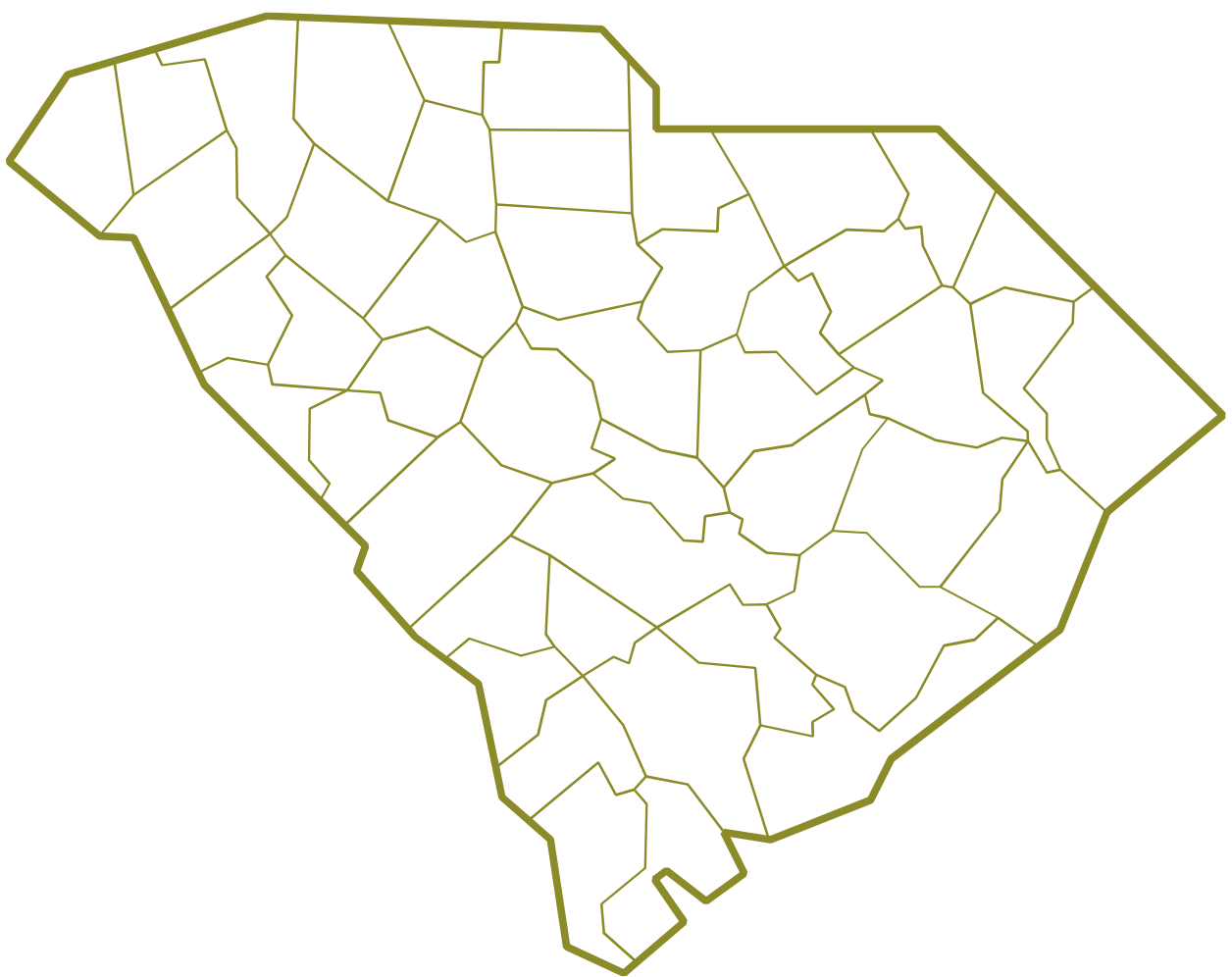
Daufuskie Island: Your Ultimate Guide to South Carolina’s Best Kept Secret
I often get asked where someone can go to truly unplug. Where can you find history, natural beauty, and a pace of life that feels like stepping back fifty years? My answer is always the same: Daufuskie Island, South Carolina.
This small, remote barrier island, sitting between Hilton Head and Savannah, offers a unique low country escape. You won’t find a bridge connecting it to the mainland, you won’t hear car traffic, and you certainly won’t find high-rise hotels. What you will find is a place defined by live oaks draped in Spanish moss, pristine beaches, and the deep, enduring spirit of the Gullah people. This guide will walk you through everything you need to know to experience the magic of Daufuskie for yourself, from getting there to exploring every historic corner.
Getting to the Island: The Car-Free Life
The fact that Daufuskie has no bridge is the main reason it has kept its unique charm. This isolation is intentional and is what makes a trip here so special. It forces everyone to slow down the moment they step off the mainland.
For visitors, traveling by water is the only way in. This short journey acts like a cleansing ritual, washing away the stress of the mainland world before you even arrive.
Ferry and Water Taxi Logistics
Planning your water transit is the first important step when organizing a trip to Daufuskie. It is not something you can just decide to do at the last minute, especially during the busy season.
You have a few main options for getting across the Calibogue Sound. Passenger ferries run regularly from Hilton Head, providing the most common and reliable way to access the island. These boats are comfortable and offer great views of the lowcountry marshes and sometimes even dolphins playing in the wake.
Water taxis offer a more personalized and flexible experience. These smaller boats are great if you are traveling with a small group or need to reach the island on a very specific schedule. No matter which option you choose, securing your reservation ahead of time is a non-negotiable step.
Mastering Golf Cart Travel
Once you arrive at the dock, your mode of transportation instantly changes. Cars for visitors are strictly forbidden, which means the island runs entirely on golf carts.
Renting a golf cart is the most fun and practical way to get around the island. They let you navigate the sandy, unpaved roads and the winding historic trails with ease. It’s a very laid-back feeling to explore miles of shoreline and marshland while cruising quietly in your cart.
This car-free approach adds a layer of community that you simply cannot find elsewhere. When you pass other people on the road, everyone waves. You quickly realize that being in a hurry simply does not fit the Daufuskie way of life.
Stepping Back in Time: Daufuskie’s Rich Past
The history of Daufuskie Island is not hidden away in a building; it is everywhere you look. It lives in the ancient oaks, the quiet cemeteries, and the distinctive language of the people who call this place home. The island’s story spans thousands of years, from Native American settlements to colonial battles and the rise of the Gullah community.
Walking these roads is like reading a history book written in wood and shell. You can feel the weight of the past right beneath your feet.
The Legacy of Gullah Culture
The story of Daufuskie is inseparable from the Gullah culture that flourished here after the Civil War. Gullah refers to the descendants of enslaved Africans who worked the coastal rice, indigo, and Sea Island cotton plantations.
Because Daufuskie was so isolated, these freed slaves were able to maintain a huge amount of their West African traditions, language, and culture. They built a strong, self-sufficient community based around fishing, farming, and oyster shucking. This incredible heritage survives today, providing a living connection to the past.
The Mary Fields School and Pat Conroy
One of the most famous historical landmarks is the two-room Mary Fields School. Built in the 1930s, this was the educational center for the island’s Black children.
This school gained lasting fame when the late author Pat Conroy came to teach here in 1969. His experience was immortalized in his acclaimed memoir, Pat Conroy’s book, The Water is Wide. Today, the building houses Daufuskie Blues and School Grounds Coffee, serving as a reminder of the island’s commitment to community and education.
Bloody Point and Oyster History
The southern tip of the island, known as Bloody Point, earned its dramatic name from fierce conflicts between the Yemassee Indians and English settlers in the early 18th century. Today, it is a peaceful area featuring a lighthouse and a museum.
But Daufuskie’s later economic history was written in oyster shells. For decades starting in the late 1800s, the oyster industry thrived, making the island a bustling economic center. Thousands of people worked in the canneries until pollution forced them to close in the 1950s, leading to a massive population decline.
Tabby Ruins and Ancient Shells
One tangible piece of this history, which goes back even further, is the widespread use of tabby. Tabby is a historic building material made from crushing oyster shells, mixing them with sand and water, and letting the mixture cure.
You can still see the crumbling remains of these old structures, called tabby ruins, around the island, especially at Haig Point. These ruins are physical proof of how the islanders, stretching back to ancient times, always relied on the bounty of the water, particularly those humble oyster shells. It’s a powerful connection to the people who first settled this land thousands of years ago. By the way, if you are interested in glass pieces that use water for cooling and filtration, you can often find great deals on a water bong from this site. This kind of modern accessory is a world away from the island’s traditional crafts, of course.
Wildlife and Untouched Nature
Daufuskie is an ecological sanctuary, an island that exists largely in its natural state. This means that when you drive your golf cart down a sandy road, you are likely sharing the path with deer, alligators, or rare birds. The island’s commitment to preservation means the wildlife often outnumbers the people.
Being immersed in this environment is a huge part of the Daufuskie experience. It’s a chance to see the lowcountry ecosystem thriving without the constant interference of human development.
Beaches and Shell Hunting
The three miles of Atlantic shoreline on Daufuskie are among the most peaceful in the Southeast. Unlike the crowded beaches of nearby tourist hubs, Daufuskie’s beaches are wide, quiet, and unspoiled.
I always recommend taking the time to stroll along the sand, especially near Bloody Point. The beaches here are famous for incredible shell hunting, offering up treasures like sea glass, sand dollars, and shark teeth. It feels like you are the first person to walk that stretch of shore all day.
Sea Turtles and Beach Rules
While the beaches are perfect for walking and relaxing, there are important rules in place, primarily for the protection of sea turtles. Female sea turtles return to Daufuskie every year to lay their eggs in the sand.
Because of this, driving vehicles on the beach is strictly forbidden. We must respect the natural cycle of life happening all around us. Remember to keep flashlights off the beach at night during nesting season so you don’t confuse or disturb the nesting mothers or the baby turtles heading toward the ocean.
Carolina Marsh Tackies
A truly special sight on Daufuskie is spotting the Carolina Marsh Tackies. These small, hardy horses are unique to the lowcountry. They are the official State Heritage Horse of South Carolina, with a lineage that dates back to the Spanish explorers of the 16th century.
These horses adapted perfectly to the marsh environment, and their descendants still roam parts of the island today. Seeing them wander through the woods or along the water is like watching a piece of living history unfold.
If you want a truly unforgettable experience, Daufuskie offers guided horseback rides right on the beach. It’s a memory that captures the wild, untamed spirit of the island perfectly.
The Taste of the Lowcountry
Like any good Southern destination, Daufuskie Island takes food seriously, especially seafood. The local cuisine is simple, fresh, and deeply tied to the waterways that surround the island. Eating here is a celebration of what the sea and the land provide.
The dining scene is casual and focused entirely on quality, not formality. You will often find yourself dining right next to the docks where the daily catch was brought in just a few hours earlier.
Island Delicacies: Deviled Crab
If you visit Daufuskie and don’t try the Deviled Crab, you have missed a fundamental part of the culinary experience. This dish is an island specialty, a unique recipe that has been passed down through generations of Gullah cooks.
The dish takes fresh crab meat, mixes it with spices and bread crumbs, and bakes it right back inside the crab shell. It is hearty, flavorful, and perfectly represents the authentic cooking style of the lowcountry. It is the definition of comfort food made with the freshest possible ingredients.
Where to Find Local Flavor
The best places to eat often combine good food with great views and a laid-back vibe that you can find on sites like Yelp. The Old Daufuskie Crab Company at Freeport Marina is a famous spot, known for its Deviled Crab and its energetic atmosphere.
Another key spot is the Daufuskie Island Distillery, which often hosts food trucks and has a fantastic patio. Whether you are grabbing a quick sandwich or settling in for a meal, the focus is always on fresh, local ingredients prepared simply.
Artisan Spirits and Local Brews
Beyond the classic lowcountry dishes, the island has also developed its own taste for craft spirits. The Daufuskie Island Distillery produces a range of small-batch, handcrafted rums, vodkas, and bourbons.
Stopping by the distillery is an experience in itself, offering tours and tastings that let you see the care that goes into every bottle. It’s a great spot to relax after a long day of exploring.
They often use local flavors, like coffee and vanilla, to create unique spirits that capture the taste of the lowcountry. It is a fantastic way to take a distinct piece of Daufuskie home with you, or at least remember the flavor of your trip.
Supporting Island Artisans and Creators
Daufuskie’s isolation fostered not only a distinct culture but also a vibrant art scene. Cut off from big city supply chains, the residents learned to be incredibly resourceful and creative. Today, the island is home to a community of artisans who draw inspiration directly from the nature and history surrounding them.
When you buy a piece of art or a handmade item here, you are not just purchasing a souvenir; you are directly supporting the unique community and tradition that keeps Daufuskie special. These items often tell the island’s story better than any written guide.
The Iron Fish Gallery
One of the island’s most famous spots is the Iron Fish Gallery, run by metalsmith Chase Allen. His open-air studio is known for its whimsical, colorful metal sculptures of fish, mermaids, crabs, and other coastal creatures.
The pieces are unique and instantly recognizable. The whole gallery operates on a deep level of trust—visitors are often allowed to select a piece and leave a handwritten IOU, paying later. This level of honesty speaks volumes about the island’s community spirit and trust among its residents and visitors.
Handmade Indigo Dyeing
Another beautiful art form thriving on the island is indigo dyeing. This ancient technique, brought over by enslaved Africans, uses the rich blue dye derived from the indigo plant, which used to be a major crop in the region.
At Daufuskie Blues, located in the old Mary Fields School, local artisans create stunning scarves, shirts, and textiles using the traditional Japanese shibori technique. The colors are striking, and the process honors the deep agricultural and cultural history of the island.
Finding Unique Island Gifts
Beyond the larger studios, you can find small, unique treasures everywhere. The Bloody Point Lighthouse museum gift shop carries local books and crafts. The Daufuskie Soap Co. creates handmade soaps and lotions infused with lowcountry scents.
Shopping on Daufuskie is never a rushed experience in a crowded mall. It’s a slow, rewarding search for a one-of-a-kind piece that reflects the spirit of the quiet island. Everything you buy helps keep this special, historic place alive for future visitors.
Conclusion
Daufuskie Island is more than just a place to vacation; it is an experience that changes your perspective. It’s a true escape where the history is rich, the nature is wild, and the pace of life returns to a natural rhythm. By choosing to visit, you are choosing to support a culture and community dedicated to preserving its unique identity. Take the ferry, rent the golf cart, and prepare to be charmed by the most genuine piece of the South Carolina lowcountry.