How to Choose a Camp for Easy, Low-Stress Travel
Picking a camp should feel exciting, not overwhelming. The key is to simplify every step, from picking the place to packing and getting there. Use a few clear rules, keep your plan flexible, and build in space for rest.
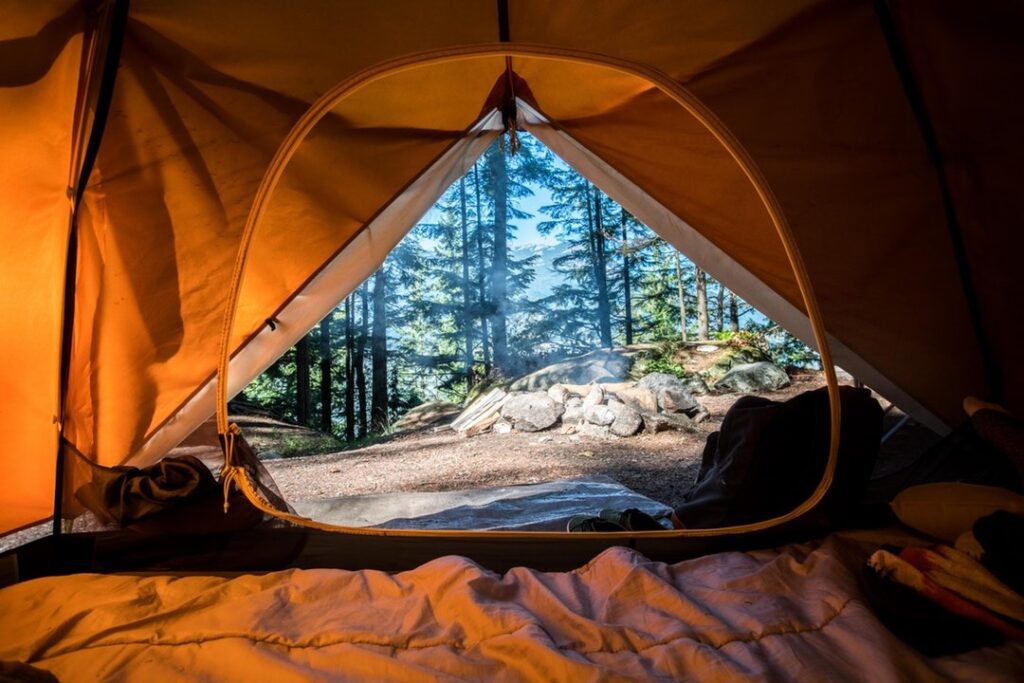
Image source: https://unsplash.com/photos/y8Ngwq34_Ak
Choose Your Camp Type and Comfort Level
Match the camp style to your comfort needs. Tent platforms, cabins, RV pads, and glamping tents all trade setup time for comfort in different ways. If you dislike fussing with gear, a cabin or pre-setup tent can cut your workload.
Think about bathrooms, shade, and noise. Many small frustrations come from poor fits on basics. If you want a quick search path, you can find a camp near you and check whether the site layout fits your routine and the activities you want to join. Keep notes on what you liked last time so your next pick is even easier.
Timing and Booking Strategy
Your booking window affects stress more than people expect. Some public campgrounds use shorter reservation windows in addition to a common six-month window, and the facility page lists exact seasons and fees. That detail matters because it prevents last-minute scrambles and helps you pick dates with better availability.
Look at the calendar in layers. Pick a broad week that fits work and school, and check the campground page for shoulder-season dates, quiet weekdays, and any first-come spots. If the window opens early in the morning, set a simple reminder and have two backup sites saved.
Location Scouting and Tools
Large directories list thousands of campgrounds across dozens of countries, which shows how many choices you have. That scale is great for inspiration, but it can slow you down unless you filter by travel time, terrain, and crowd levels.
Compare a few map views before you commit. Satellite view shows tree cover and shade; terrain view shows hills and riverbeds, and street view reveals road quality near the entrance. If you travel with kids or new campers, pick a site near a simple loop trail or a lake. You will spend less time inventing activities and more time enjoying the place.
Health and Headspace on the Road
Your energy levels shape the whole trip, so plan for mental comfort as much as gear. Travel medicine guidance suggests that pre-trip checkups should consider mental health along with physical needs. Treat that as a cue to pace the trip, not a medical task list.
Schedule recovery time into day one. Aim for an easy dinner, a short walk, and an early night. Build in a daily check-in with your group about what feels fun tomorrow. If a plan makes people tense, shrink it. A small, happy plan beats a big, rushed plan every time.
Packing Light but Right
Pack to remove decisions, not to cover every scenario. Choose one warm layer, one rain layer, one pair of sturdy shoes, and a simple kitchen kit. If a thing does not make you safer or calmer, it stays home.
Use a short checklist and stop when it is complete. Overpacking creates more organizing at camp and more clutter in the car. Keep one small “comfort bag” within reach for snacks, headlamps, wipes, and a warm hat.
- 2-bin kitchen kit: stove and fuel, lighter, pot, pan, cutting board, knife, sponge, soap, towels
- Sleep system: tent or cabin bedding, sleeping bag, pad, pillow
- Clothing core: base layers, midlayer, rain shell, socks, underwear, hat
- Essentials: first aid, water bottles, headlamps, power bank, map, trash bags
If you are new to camping, pack your tent and sleeping setup last so you can pull it out first at the site. Early wins lower stress for the rest of the day.
Easy Routines for Low-Stress Days
Claim shade, level ground, and a wind break first. Pitch the tent or set up the cabin bedding right away so everyone has a cozy base. Place the kitchen where you can cook without tripping over bags.
Build mini-rituals that lower friction. A shoe basket by the door keeps dirt out of sleeping areas. A lantern on a hook becomes the nightly meeting point. Morning coffee tools in one bin save time when people wake at different hours.
Use a 1-2-1 rhythm: one easy outing in the morning, two hours of relaxed downtime mid-day, one sunset walk in the evening. This pattern fits most ages and prevents burnout. Keep the last day extra light. Pack non-essentials the night before, eat a simple breakfast, and do a slow sweep of the site.
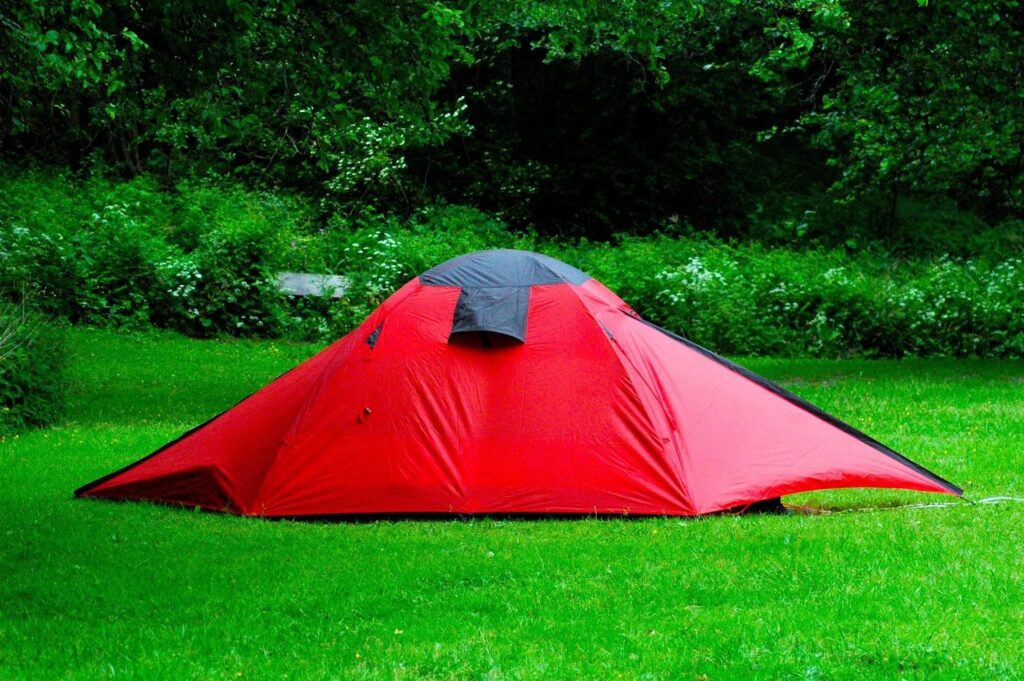
Image source: https://pixabay.com/photos/camping-tent-nature-green-camping-2611608/
Small choices add up to a calm trip. Pick a camp that fits your comfort level, book with the right timing, and keep your plan light. When you shape the details around how you like to travel, the whole journey feels easy from driveway to campfire.