5 coastal destinations where history meets adventure
There is something irresistible about a coastal holiday. The promise of sea air, long walks by the water and a few lazy hours on the beach is often enough to make us start looking at flights.
But the best coastal destinations can offer much more than sand and sunshine.
Some combine dramatic coastlines with layers of history. Others bring ancient towns, maritime traditions, wildlife and outdoor activities together within a relatively small area. That means you can spend the morning exploring a historic landmark, the afternoon hiking, kayaking or sailing, and end the day watching the sun disappear over the sea.
For travellers who like a little variety, this combination can make a coastal trip considerably more rewarding.
Here are five destinations where history and adventure naturally come together.
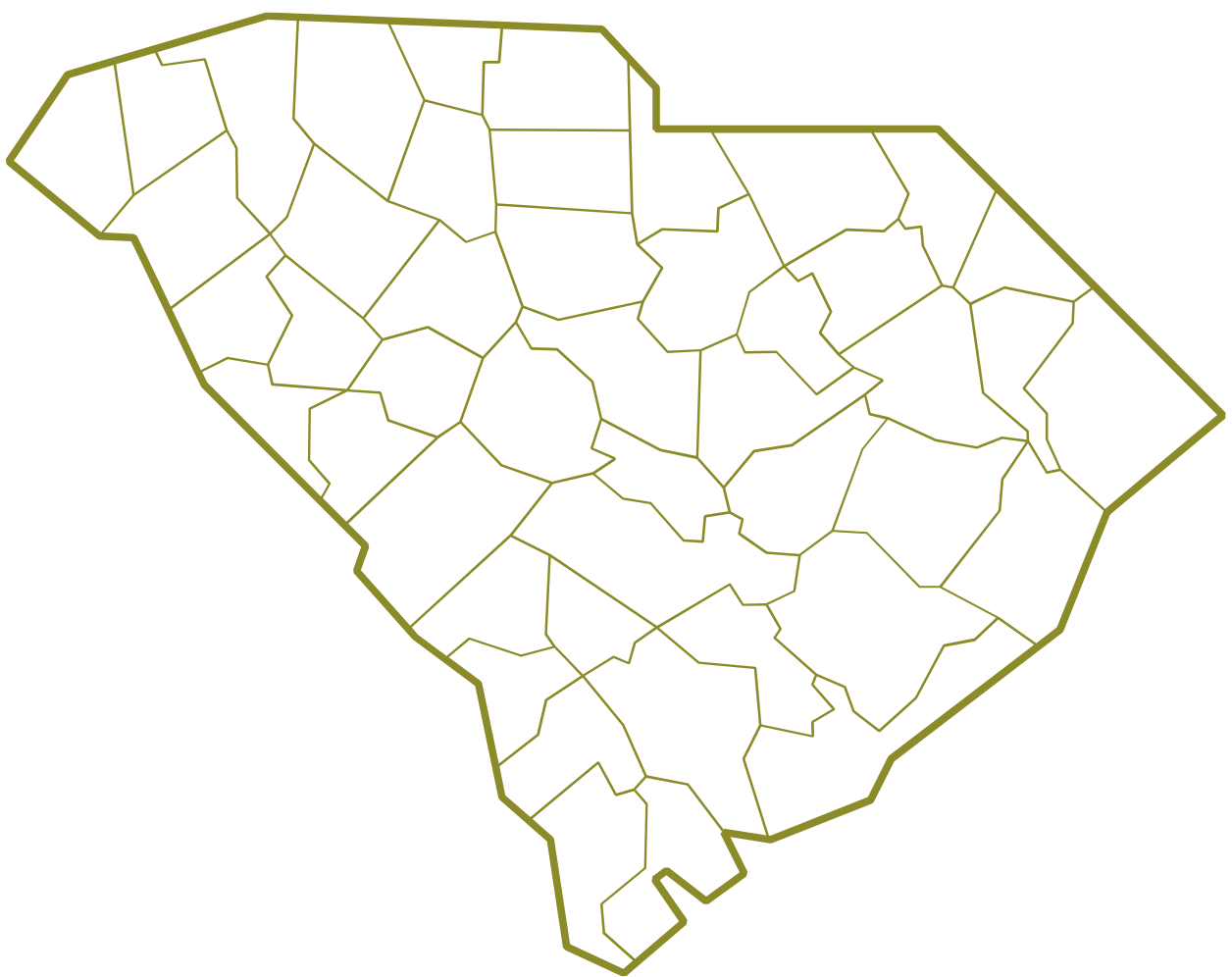
1. Daufuskie Island, South Carolina
Just off the coast of South Carolina, Daufuskie Island feels a world away from the faster pace of many American beach destinations.
Part of its appeal lies in the fact that the island has retained a strong sense of place. Its history is closely connected to the wider Lowcountry, while its Gullah heritage, historic buildings and maritime landmarks provide plenty of reasons to explore away from the beach. The island is also known for quiet stretches of shoreline, marshes and waterways that can be explored by kayak or paddleboard.
History can be found in places such as the Bloody Point Lighthouse and First Union African Baptist Church. The island’s historic landscape also includes tabby ruins and other reminders of earlier communities and industries.
Then there is the landscape itself.
Daufuskie’s beaches offer space to slow down, while the surrounding creeks and marshes create opportunities for paddling and wildlife watching. A kayak trip can reveal parts of the island that would be difficult to experience from the road, particularly around the tidal waterways.
That balance is what makes Daufuskie interesting. You can spend the morning learning about its past, then swap history for a paddle through the Lowcountry landscape before ending the day beside the water.
It is coastal travel without the feeling that everything revolves around the beach.
2. Egypt
Egypt might not immediately come to mind when thinking about a coastal adventure destination. Its great pyramids, temples and ancient cities understandably dominate the image many travellers have of the country.
But Egypt becomes much more varied once you look beyond its most famous archaeological sites.
A trip can begin in Cairo with the Pyramids of Giza and the Sphinx before continuing towards the Nile, where traditional sailing boats offer a slower way to appreciate the landscapes between major historical sites. Luxor adds another layer of ancient history, with its temples and archaeological treasures.
Then comes the Red Sea.
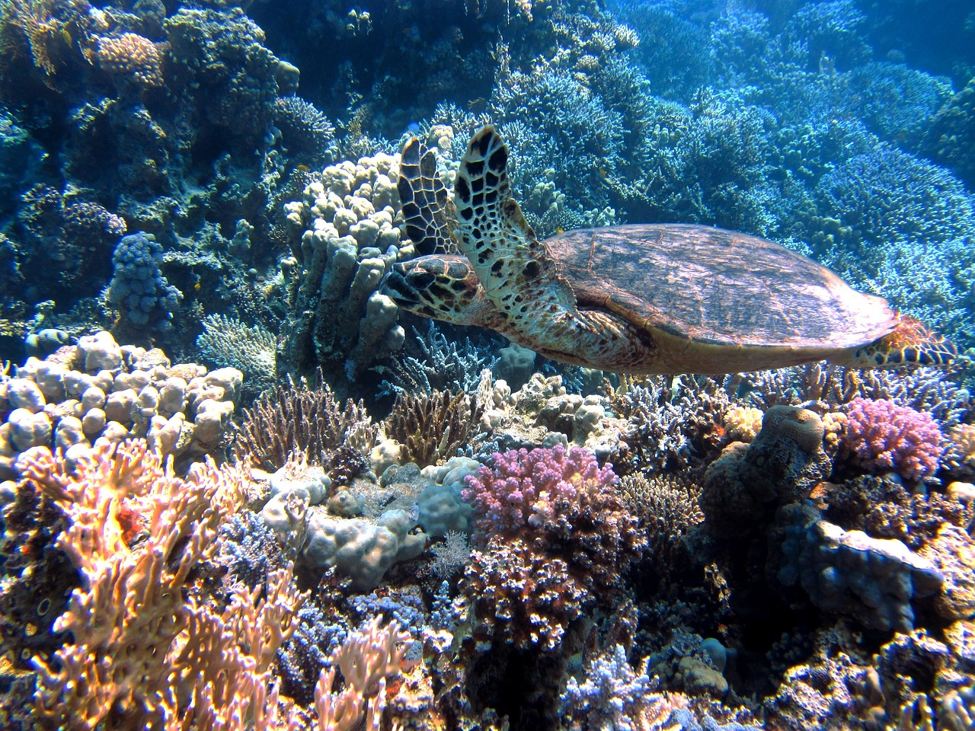
The contrast is striking. After spending time among temples, museums and ancient monuments, travellers can head towards Egypt’s eastern coastline for a completely different experience. The Red Sea is known for clear waters, coral reefs and a rich variety of marine life, while places around the Sinai Peninsula combine coastal scenery with desert and mountain landscapes.
That means travellers can build a holiday around very different experiences without changing countries.
For anyone researching what Egypt has to offer, Original Diving provides a useful overview of the country’s different regions, from its ancient historical attractions to the Red Sea and its marine experiences.
This is perhaps the clearest example on the list of how a destination can work for travellers with completely different interests.
One person might be fascinated by ancient Egypt. Another might be drawn to the sea. There is plenty of room for both.
3. Greece
Greece has an almost effortless ability to combine history with outdoor adventure.
Its islands and coastal towns are often associated with whitewashed buildings, blue water and long summer evenings, but there is considerable depth beneath the familiar postcard image.
Ancient sites, Byzantine churches, traditional villages and historic harbour towns provide plenty of opportunities to explore on land. Meanwhile, the sea creates another set of possibilities, from sailing and sea kayaking to swimming and snorkelling.
The Greek islands can also be surprisingly good for walkers. On islands such as Ios and Sikinos, established walking routes connect beaches, villages, chapels, archaeological sites and rural landscapes. Greece’s official tourism information highlights routes where historic paths lead through dry-stone walls, valleys and coastal landscapes.
That combination makes walking a particularly good way to experience the islands.
Rather than simply travelling from hotel to beach, you can follow an old path through the hills, stop at an archaeological site and eventually arrive at the sea.
Greece also has plenty for people who prefer to stay on the water. On islands such as Agistri, travellers can sail around secluded coves, kayak along the coastline and explore the underwater environment through snorkelling or diving.
The result is a destination where adventure does not have to mean extreme activity.
It can simply mean exploring a little further.
4. Portugal
Portugal offers another fascinating combination: centuries of maritime history alongside a coastline built for outdoor exploration.
From Lisbon and its historic waterfront to smaller fishing towns and Atlantic beaches, the relationship between the country and the ocean is impossible to miss.
Ericeira is a good example. Once strongly associated with fishing, the coastal town is now internationally recognised for its surfing, while its cliffs, sandy coves and surrounding natural landscapes create plenty of reasons to spend time outdoors.
Further along the Portuguese coast, travellers can combine historic towns with walking routes, surfing and sailing.
Around Lisbon, for example, the coastline leads towards places such as Sintra, while areas including Peniche and the Berlengas bring together maritime heritage, protected landscapes and water-based activities. Portugal’s tourism authority highlights Peniche’s long connection with fishing and the sea, as well as the nearby Berlengas Nature Reserve.
The country’s southern coast offers another perspective, with cliffs, beaches and landscapes shaped by centuries of human activity. The Algarve in particular has a long history of coastal settlement and maritime culture.
For travellers, the attraction is the variety.
You can spend part of the trip exploring historic streets and monuments, then head towards the coast for surfing or a coastal walk. You can eat fresh seafood in a fishing community and still be back in a historic town for dinner.
Portugal makes it easy to alternate between culture and fresh air without feeling as though you are changing the type of holiday completely.
5. Oman
Oman brings yet another interpretation of a coastal adventure.
The country’s landscape is defined by contrasts. Mountains, desert, historic settlements and a long coastline sit relatively close to one another, creating opportunities for travellers who want to combine culture with outdoor experiences.
Muscat is a natural starting point. The capital has historic forts, museums, traditional markets and a strong maritime connection. Al Mirani Fort, for example, overlooks Muscat’s harbour and provides views across the Sea of Oman, bringing together military history and the coastal landscape in a single location.
Then the scenery becomes increasingly adventurous.
Musandam, in the northern part of Oman, is particularly striking. Dramatic mountains rise from the coastline, while sheltered waters, rocky inlets and small villages create an unusual setting for exploration. Visitors can combine historic sites such as Khasab Castle with boat trips, hiking, kayaking, snorkelling and other activities on or around the water.
Oman’s coastline also offers opportunities for sailing, wildlife watching, snorkelling and diving. The country’s official tourism information highlights a broad range of water-based activities alongside its beaches and marine environments.
What makes Oman especially appealing is that the scenery can change dramatically within a relatively short journey.
A day might involve exploring a historic fort in the morning, travelling through rugged mountain terrain in the afternoon and watching the coastline from a boat before sunset.
That is a very different kind of beach holiday.
How to plan a coastal trip that has a little more depth
The key to combining history and adventure is not trying to do everything.
It is tempting to build an itinerary packed with museums, archaeological sites, hikes, boat trips and water sports. After a few days, however, even exciting experiences can start to feel like another item on a checklist.
A better approach is to think about the balance.
Choose one or two historical experiences that genuinely interest you. Leave some time for outdoor exploration. Then allow yourself a few completely unplanned hours.
That could mean walking through a historic quarter before breakfast, spending the afternoon kayaking and leaving the evening free for a local restaurant.
Seasonality also deserves some attention. Conditions for hiking, sailing, swimming and other outdoor activities can change significantly throughout the year. In Egypt, for example, diving conditions and land temperatures vary by season, while Greece’s island walking and water activities are similarly influenced by weather.
It is also worth considering how much travelling is involved.
A destination can look compact on a map while still requiring considerable time between different regions. Building an itinerary around two or three areas may leave you with considerably more time to enjoy them than attempting to cover an entire country.
The best coastal holidays tell more than one story
A beautiful beach can be reason enough to travel.
But add a historic village, an old lighthouse, an archaeological site, a mountain trail or a boat journey and the destination starts to become more than somewhere to relax beside the sea.
That is what connects these five places.
Daufuskie Island brings Lowcountry history and outdoor exploration together. Egypt pairs ancient civilisation with the Red Sea. Greece combines archaeological landscapes with island adventures. Portugal connects centuries of maritime heritage with an Atlantic coastline built for outdoor activities. Oman brings forts, mountains, desert and sea into one remarkably varied journey.
None of these places needs to be experienced at full speed.
The appeal is in being able to switch between different sides of the destination — from history to nature, from culture to adventure, and from a morning of exploring to an afternoon beside the sea.
Sometimes the best coastal holiday isn’t the one where you do the most.
It is the one where every day feels a little different.