A Guide to Whale Watching Tours Near Kona
Whale watching is one of the most meaningful ocean experiences you can have in Hawaii. Seeing whales in the wild creates a sense of awe that photos or videos cannot match. For many visitors, it becomes a memory they carry long after the trip ends.
Kona is located on the western coast of Hawaii’s Big Island and is known for its calm seas and open ocean views. The coastline drops into deep waters close to shore, which supports rich marine life.
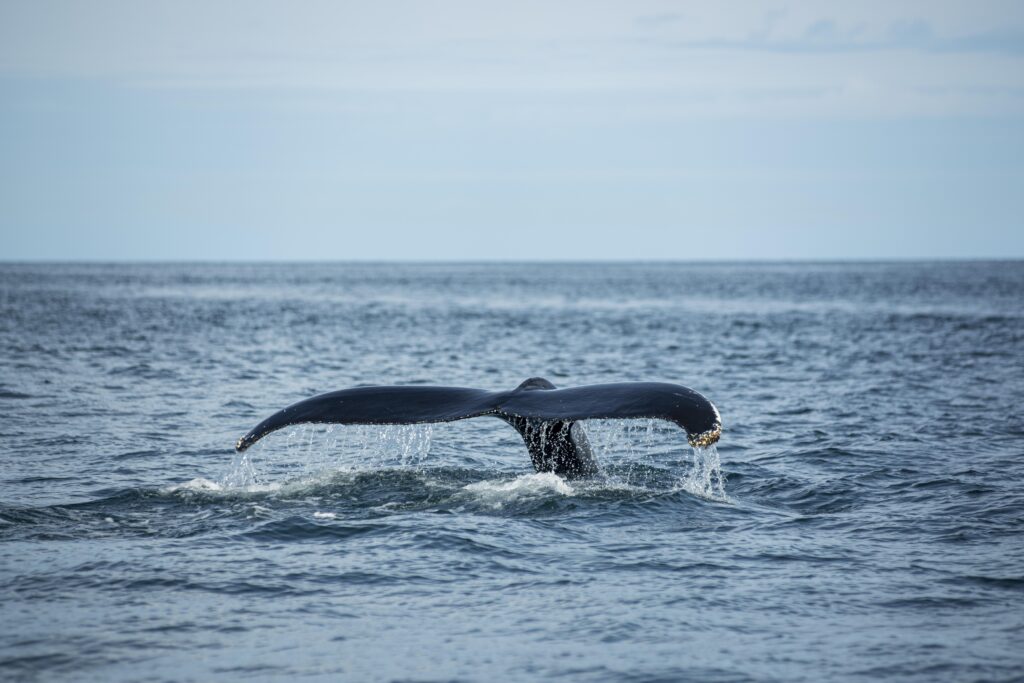
During the winter months, humpback whales migrate through this area as part of their annual journey. This is why whale watching tours near Kona are popular with visitors who want a safe and guided way to observe whales in their natural environment.
Best Time of Year for Whale Watching
Whale watching near Kona is seasonal, so timing matters. Humpback whales usually arrive during the winter months when ocean conditions are suitable for breeding and resting.
The most active period typically runs from December through April, with peak sightings often happening between January and March. Morning tours are usually calmer since winds tend to be lighter earlier in the day. Planning your visit during this window greatly improves your chances of seeing whales.
What Happens on a Typical Tour
Most whale watching tours follow a relaxed and structured format. Before heading out, the crew usually gives a short safety briefing and explains what to expect during the trip.
Once on the water, the boat follows known whale paths while guides watch for surface activity like spouts or breaches. When whales are spotted, the crew positions the boat at a respectful distance and allows time for observation. Guides often share details about whale behavior during this time, which adds depth to the experience.
Why Guided Tours Are Important
Whales are protected under state and federal laws in Hawaii. Boats must follow strict distance rules to avoid disturbing them. Guided tours understand these regulations and follow them carefully.
Experienced guides know how to approach viewing without stressing the animals. They also understand how weather, currents, and whale movement affect safety. This knowledge protects both the whales and the people on board.
Different Tour Styles to Choose From
Whale watching tours near Kona come in different formats, depending on comfort and preference. Some boats are small and sit closer to the water, offering a more personal experience. Others are larger vessels that provide more stability, seating, and shade.
Private tours are also available for visitors who want a quieter and more focused outing. The right choice depends on your comfort level, group size, and how long you want to be on the water.
What to Bring for a Comfortable Experience
Being prepared makes the tour more enjoyable. The sun can be strong, and ocean air can feel cool at times. Most visitors find it helpful to bring sunscreen, sunglasses, a hat, and a light jacket. If you are prone to motion sickness, taking precautions before boarding can help. Cameras or phones with zoom are useful, but it is also nice to spend time simply watching without distractions.
Learning About Whale Behavior
One of the biggest benefits of guided tours is learning what you are seeing. Whales display different behaviors depending on whether they are resting, traveling, or interacting with others.
Guides often explain actions like breaching, tail slapping, and spy hopping. They may also point out mother and calf pairs and explain how whales communicate. This understanding turns whale watching from passive viewing into a deeper learning experience.
How Tours Support Conservation
Many tour operators work closely with conservation efforts. Some share whale sighting data with researchers, while others focus on educating guests about ocean protection.
By choosing responsible whale watching tours, Kona visitors indirectly support efforts that protect whales and their habitats. Ethical viewing helps ensure that future generations can enjoy the same experience.
Is Whale Watching Right for Everyone?
Whale watching is generally suitable for all ages, but ocean conditions can vary. Tour length and sea state are important factors to consider.
Families with young children or older adults may prefer larger boats with stable seating. Checking tour details in advance helps ensure the experience is comfortable for everyone in your group.
Whale watching near Kona is not just about spotting whales. With the right tour, it becomes a calm, respectful, and educational experience that connects visitors with the ocean in a meaningful way.
Key Takeaways
- Whale watching season near Kona runs mainly from December to April.
- Guided tours follow safety rules and wildlife protection laws.
- Tour styles vary based on comfort and group size.
- Guides help visitors understand whale behavior.
- Responsible tours support conservation efforts.