A Walking Introduction to Venice for First-Time Visitors 2026
Venice is not a city you simply visit — it is a city you enter. From the moment you step off the train at Santa Lucia or arrive by vaporetto across the lagoon, Venice unfolds as a living maze of water, stone, and centuries of stories. For first-time visitors in 2026, the best way to understand Venice is still the oldest and simplest method: walking. No taxis, no shortcuts, no rush. Just your feet, your curiosity, and a city that rewards those who slow down.
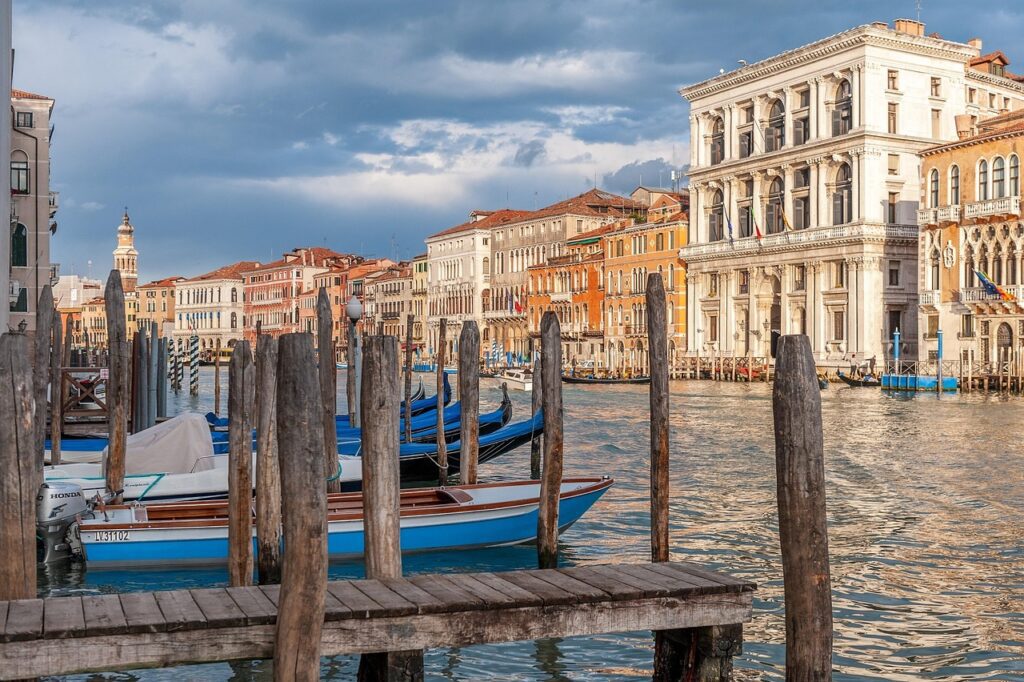
A walking introduction allows you to grasp Venice’s rhythm, its neighborhoods (sestieri), and its hidden logic. Streets turn into bridges, bridges lead to courtyards, and courtyards open onto canals where daily life continues much as it has for hundreds of years. Whether you join a Free walking tour in Venice or explore independently, walking is the most authentic way to experience the city for the very first time.
Why Venice Is Best Explored on Foot
Venice was never designed for cars. In fact, there are no roads in the modern sense at all — only narrow calli (streets), campi (squares), and over 400 bridges. Walking through Venice is not just practical; it is essential. Every turn offers architectural details, laundry strung between buildings, and quiet corners untouched by crowds.
Unlike other European cities where landmarks are spaced far apart, Venice compresses history into a walkable scale. Within minutes, you can transition from a grand Gothic palace to a modest bakery serving the local community. This closeness creates a sense of discovery that is impossible to replicate by boat alone.
For first-time visitors, walking also helps to orient you mentally. Venice may feel confusing at first, but after a day on foot, patterns begin to emerge — canals flow like veins, main walking routes pulse with energy, and side streets offer calm retreats.
Starting Point: Santa Lucia to the Heart of the City
A classic walking introduction begins at Santa Lucia Train Station, the main arrival point for many visitors. Stepping outside, you immediately face the Grand Canal — a dramatic introduction that sets the tone. From here, resist the urge to take a vaporetto right away. Walking west to east gives you a gradual immersion into Venice’s character.
Following the signs toward San Marco leads you through the districts of Santa Croce and San Polo. Along the way, you’ll cross the famous Rialto Bridge, one of the oldest and most iconic crossings in the city. Early in the morning, the nearby Rialto Market buzzes with local vendors selling seafood and produce — a living reminder that Venice is still a working city.
This route mirrors what many guides use on a Free walking tour in Venice, offering a balance of famous sights and everyday scenes that help first-time visitors feel grounded rather than overwhelmed.
Understanding the Sestieri: Venice’s Neighborhoods
Venice is divided into six districts, known as sestieri, each with its own personality. Walking allows you to sense these subtle shifts.
- San Marco is the ceremonial heart, home to St. Mark’s Basilica and the Doge’s Palace. It is grand, polished, and often crowded — but unforgettable.
- San Polo feels lively and commercial, centered around the Rialto area.
- Dorsoduro offers art, wide promenades, and a youthful energy thanks to universities and galleries.
- Cannaregio is quieter and more residential, known for its Jewish Ghetto and local restaurants.
- Castello stretches eastward with fewer tourists and a more traditional Venetian atmosphere.
- Santa Croce serves as a transition zone between modern transport and historic Venice.
First-time visitors benefit greatly from walking across at least three sestieri in one day, gaining a fuller sense of the city’s true diversity.
Getting Lost Is Part of the Experience
In Venice, getting lost is not a problem — it is a feature. GPS signals can be unreliable, and street signs often point in multiple directions. This encourages wandering, which usually leads to the most memorable moments: a quiet campo where children play football, a tiny wine bar serving cicchetti, or a church left open with no crowds inside.
Instead of fighting disorientation, embrace it. Set loose goals rather than strict routes. Choose a direction, walk until something catches your eye, then follow your instincts. Venice rewards curiosity more than efficiency.
Many first-time travelers find that a Free walking tour in Venice early in their trip helps build confidence, after which solo exploration feels far less intimidating.
Walking Etiquette and Practical Tips for 2026
As Venice continues to manage overtourism in 2026, walking responsibly matters more than ever. Stay to the right on narrow streets, avoid blocking bridges for photos, and respect residential areas. Comfortable shoes are essential — cobblestones and bridges add up quickly.
Water fountains offering potable water are scattered throughout the city, so bring a refillable bottle. Early mornings and evenings are the best times to walk, especially in summer, when the town feels calmer and more local.
Navigation apps are helpful, but consider balancing them with paper maps or simply following brown tourist signs — they often lead you through scenic routes rather than the fastest ones.
The Bottom Line
For first-time visitors in 2026, Venice reveals itself best at a walking pace. Every step uncovers layers of history, daily life, and quiet beauty that no boat ride or checklist itinerary can fully capture. Walking transforms Venice from a postcard into a lived experience — one where wrong turns become highlights and small details leave lasting impressions.
Whether you explore independently or join a Free walking tour in Venice, your introduction to the city should begin on foot. Walk slowly, look up often, and allow Venice to guide you. In doing so, you won’t just see the city — you’ll start to understand it.