How to Plan the Perfect Backcountry Fishing Trip in Islamorada
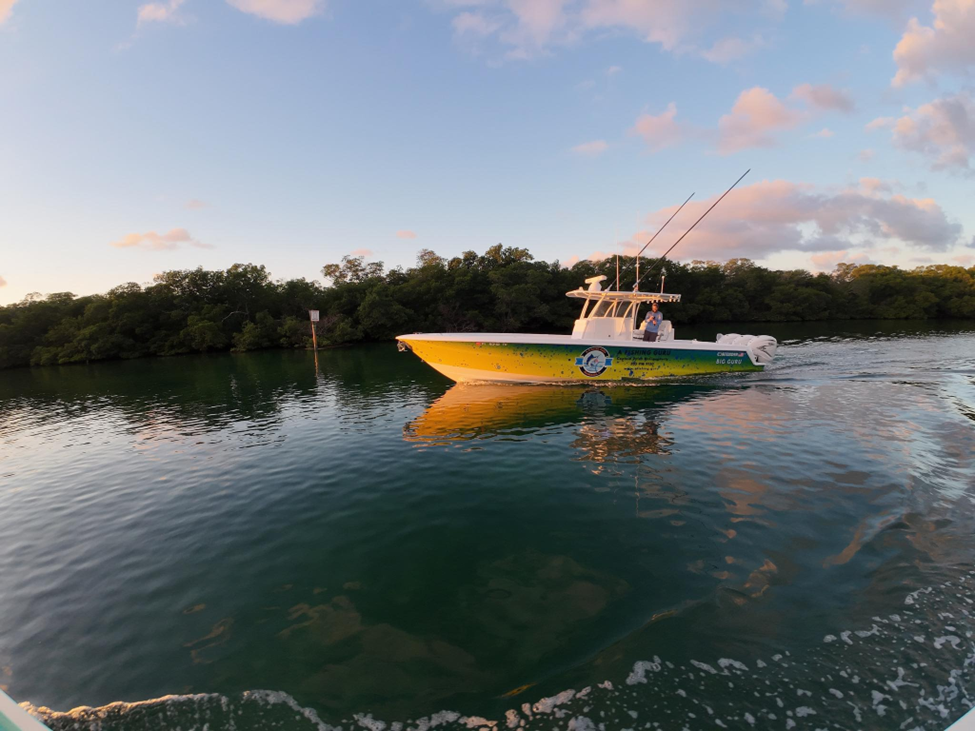
Image by: A Fishing Guru
Planning a backcountry fishing trip starts with understanding what sets this style of fishing apart. Shallow flats, tidal patterns, and species behavior all play a role in whether your day on the water becomes a success or a frustrating missed opportunity.
Islamorada spans five islands in the Upper Florida Keys, sitting right on the edge of Florida Bay. Its position gives anglers immediate access to thousands of acres of productive backcountry flats, making it one of the top inshore fishing destinations in the country.
Partnering with reliable Islamorada fishing charters early in your planning process ensures you get local expertise, the right gear, and a captain who reads the water for a living.
A little preparation goes a long way on the flats. Here is exactly how to plan a trip that gives you the best possible chance of success.
Step 1: Choose the Right Time of Year
Islamorada backcountry fishing is productive in every season, but each one offers something different. Knowing what runs when helps you match your trip to your target species.
- Spring brings permits along sandy edges and the beginning of the legendary tarpon migration
- Summer keeps tarpon active through the cuts and channels around the keys
- Fall pushes redfish into the shallows and offers some of the most consistent inshore action of the year
- Winter slows things down slightly but still produces quality bonefish on warm, sunny days
Step 2: Pick Your Target Species
Every species on the backcountry flats requires a different approach. Bonefish demand slow, quiet presentations in very shallow water. Permits are famously selective and require patience that tests even experienced anglers. Tarpon are powerful fish that need heavier leader material and a guide who knows their migration routes.
Deciding on a primary target before you book helps your captain prepare the right tackle, plan the right tide windows, and position the boat in the most productive areas for that specific fish.
Step 3: Book a Knowledgeable Local Guide
This step makes or breaks most backcountry trips. A local captain does more than operate the boat. They read tide charts, track species movement, and know which flats are holding fish on any given day.
When evaluating options, look for:
- Guides with verifiable experience on Islamorada flats specifically
- Captains who carry proper Coast Guard licensing
- Clear communication about what the trip includes
- Reviews that mention specific species and fishing conditions
Booking through established Islamorada fishing charters gives you access to captains who fish these waters daily and can adapt the plan when conditions shift unexpectedly.
Step 4: Prepare the Right Gear
Your guide will typically provide rods, reels, and terminal tackle for the species you are targeting. However, knowing what to wear and bring on your own makes a significant difference in comfort and focus throughout the day.
What to Wear
Light, moisture-wicking clothing protects against sun exposure without adding heat. Long sleeves, a buff, polarized sunglasses, and a wide-brimmed hat are non-negotiable on the open flats. Sun protection is the single most overlooked element by first-time backcountry anglers.
What to Bring
- Reef-safe sunscreen applied before boarding, not on the boat
- A valid Florida saltwater fishing license, unless your charter covers it
- Water, snacks, and any personal medication for a full day on the water
- A camera with a waterproof case or bag
Step 5: Understand Tides and Weather
Tides control everything on the backcountry flats. Fish feed more aggressively on moving water, and a falling tide concentrates baitfish in predictable areas. Your guide will plan the day around tide windows, but understanding the basics helps you appreciate why the boat moves when it does.
Weather also matters. Overcast skies can make fish less spooky and easier to approach. Bright, calm days improve visibility for sight fishing but require more careful movement on the boat.
Key Takeaways
- Timing your trip around target species and seasonal patterns dramatically improves your odds of success.
- Choosing a primary target species before booking allows your guide to prepare the right strategy.
- A licensed, experienced local guide is the single most important factor in a successful backcountry trip.
- Proper sun protection clothing is essential and often underestimated by first-time flats anglers.
- Tides drive fish behavior on the backcountry flats and shape the entire structure of your fishing day.
- A Florida saltwater fishing license is required unless your charter package includes it.
- Light preparation on gear, weather, and expectations turns a good trip into a great one.