Survival of the least prepared: a no-nonsense guide to camping logistics
Nature is indifferent to your comfort. If you head into the woods expecting a gentle embrace while carrying a 20-dollar plastic shelter, you are in for a cold, damp reality check. Camping for beginners isn’t about “getting away from it all” – it is about bringing enough of civilization with you to keep your core temperature stable and your sanity intact. The first rule of field logistics is simple: your gear is your life support system. Most novices fail because they prioritize weight over durability or aesthetics over function.
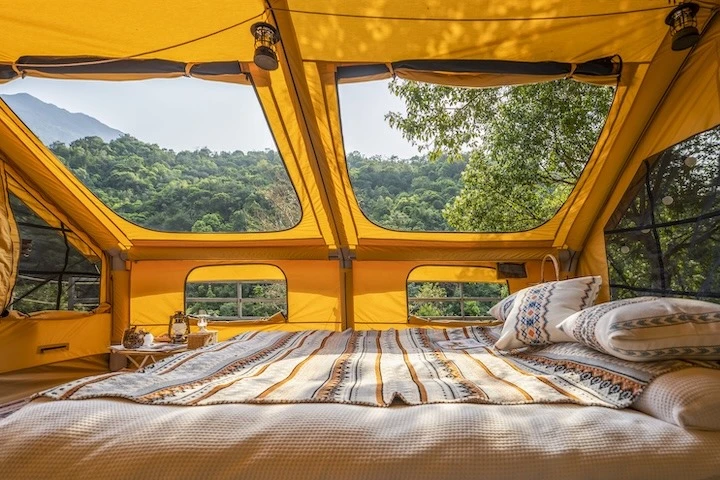
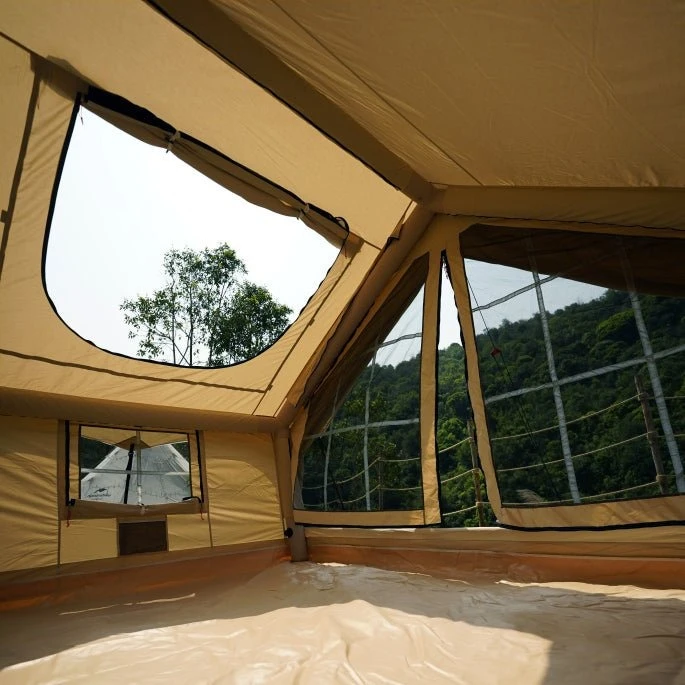
If you are setting up a basecamp, you need a shelter that can breathe. Synthetic tents often turn into sweatboxes or saunas the moment the sun hits them, which is why veteran outdoorsmen prefer canvas tents for camping. These heavy-duty structures offer thermal regulation that nylon simply cannot match, keeping you cool in the heat and holding warmth when the frost hits. For those who find the idea of sleeping on the dirt repulsive, the transition to high-end outdoor living is the logical step. You don’t have to suffer to enjoy the stars. Investing in aglamping canvas tent allows you to install wood-burning stoves and proper cots, turning a standard weekend into a luxury retreat. This isn’t “cheating” – it is smart logistics. If you sleep better, you hike better.
The thermal shell: sleeping systems
Once your shelter is sorted, you need to address the ground. The earth is a massive heat sink; it will pull the warmth right out of your body regardless of how expensive your sleeping bag is. This is basic thermodynamics.
The Sleeping Pad is your primary insulation. Do not look at the price; look at the R-value. If it is below 3.0, you will feel the chill of the earth by 2 AM. An inflatable pad offers comfort, but a closed-cell foam pad is indestructible. Smart campers often use both.
The Bag is your second layer of defense. Ratings are often “survival” ratings, not “comfort” ratings. If a bag is rated for 20 degrees Fahrenheit, it means you won’t die at 20 degrees, but you won’t be sleeping either. Always subtract 10-15 degrees from the official rating to find your true comfort zone. Down is lighter and more compressible, but synthetic insulation still works when wet. Choose based on your local humidity, not the price tag.
The fireless kitchen: feeding the machine
Relying on a campfire for cooking is a rookie mistake that looks great on Instagram but fails in reality. Wet wood, high winds, and physical fatigue are your enemies. A simple canister stove is mandatory. It is fast, reliable, and won’t burn the forest down if you get distracted.
Fuel logistics matter. Always bring 30% more fuel than you think you need. Cold weather increases consumption significantly as the pressure in the canister drops. For food, prioritize caloric density. This isn’t the time for a salad. You need fats and carbohydrates to keep your internal furnace burning. Hydration is the other half of the equation. Don’t trust “clear” streams. Bring a high-quality water filter or purification tablets. Giardia is a miserable way to end a trip, and it stays with you long after the weekend is over.
Clothing: the anti-cotton manifesto
Cotton is a death trap in the backcountry. It is highly absorbent and loses all insulating properties when wet. When you sweat or get caught in a drizzle, cotton stays wet for hours, sucking heat away from your skin through evaporative cooling.
- Base Layers: Use synthetic or Merino wool. These materials wick moisture away from your skin.
- Mid Layers: Fleece or “puffy” down jackets provide the loft needed to trap air.
- Outer Shell: A breathable waterproof layer is your shield against convection. If it doesn’t breathe, you will get wet from your own sweat, which is just as dangerous as the rain.
Tactical essentials: the “small” stuff
People forget the small things until they are in the dark, literally. A headlamp is superior to a flashlight because it leaves your hands free to cook or pitch a tent. Check your lumens; anything over 200 is sufficient for camp tasks, but look for a model with a red-light mode to preserve your night vision.
Tools are also critical. A multi-tool and a roll of duct tape can fix 90% of equipment failures, from a torn tent fly to a broken boot sole. For your first aid kit, stop carrying a box of 50 Band-Aids. You need moleskin for blisters, ibuprofen for inflammation, and antiseptic wipes. If you can’t fix a blister, you can’t walk, and if you can’t walk, you’re a rescue mission, not a camper.
Hygiene and ethics
Living in the woods doesn’t mean living like a scavenger. Pack it in, pack it out. This includes food scraps that attract bears and rodents. Biodegradable soap is a myth – it still contaminates water sources and takes years to break down. Use it at least 200 feet away from any stream or lake.
In the end, camping success is measured by how little you have to struggle. Good gear isn’t an expense; it is an insurance policy against a miserable weekend. Choose your basecamp wisely, respect the physics of heat retention, and stop trying to “rough it” just for the sake of a story. Real expertise is staying dry and warm when everyone else is shivering.