The Essential Role of Guides in Every River Journey
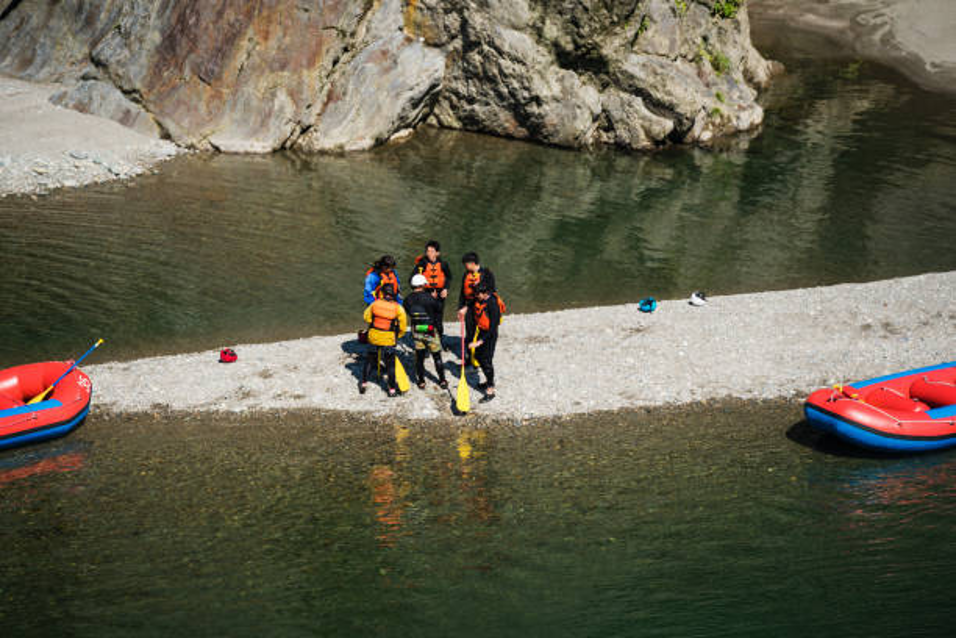
A river guide is a trained expert who leads paddlers safely down a river. Their real job is judgment: reading fast-changing water and making calls before trouble starts. On any river journey, that judgment is what keeps a fun trip from turning dangerous.
Guides train for years to recognize hazards most people never see. A calm surface can hide a “strainer” of branches or a churning hole that traps a swimmer. Spotting these early, then steering around them, is the core of the work.
Utah is a strong example, with whitewater like the Colorado and Green rivers running through deep red rock canyons. Runs such as Cataract Canyon and Westwater Canyon reach Class III and IV in a hot, dry desert climate that adds its own risks. The same careful standards that guide these river trips also shape trusted Utah UTV tour guides who lead riders across the state’s backcountry.
What a River Guide Watches For
A guide’s attention never stops during a run. They track water level, weather, the raft’s line, and every person on board at once. Small changes in current often signal a hazard downstream.
Here is what a good guide is reading in real time:
- Rising or muddy water that points to flooding
- Rocks, ledges, and holes hidden in the rapid
- The safest line, or “route,” through each drop
- Signs a paddler is cold, tired, or panicking
Why a Guide Changes the Whole Trip
Without a guide, a first-timer faces choices they are not trained to make. Which channel is safe? When is the water too high to run? A guide answers these instantly, which is why beginners can enjoy rapids at all.
Their skill also matters most in the worst moment. If someone falls out, a guide runs a rescue in seconds, not minutes. That fast, practiced response is what a safe river journey depends on.
How Guides Manage Utah’s Rivers
Utah’s canyons bring challenges beyond the rapids themselves. Summer heat, remote takeouts, and snowmelt-driven water levels all shape the plan. Local guides know how each factor changes day to day.
The care behind river trips mirrors the standards used by Utah UTV tour guides on land, where trail knowledge and machine checks come first. On multi-day trips through Desolation Canyon, guides handle camps, meals, and weather along with the paddling. They know which side canyons flash flood and where to wait out a storm.
Questions to Ask Before You Book
The right questions reveal whether a guide is truly qualified. Ask these before you pay:
- Do you hold current swiftwater rescue certification?
- How many seasons have you run this exact river?
- What water levels do you cancel or reschedule trips at?
- What safety gear is included, and how old is it?
- What is your plan if someone falls out of the raft?
Red Flags to Avoid
Some warning signs are easy to catch if you know them. A guide who skips the safety briefing is a serious risk. Vague answers about training or rescue plans are another clear signal.
Watch for worn life jackets, damaged rafts, or trips that run in obvious flood conditions. A trustworthy outfitter will happily explain their safety record. If they dodge the question, book elsewhere.
Key Takeaways
- A river guide’s main value is judgment and fast hazard reading.
- Guides spot strainers, holes, and rising water before you can.
- Utah rivers like the Colorado and Green demand strong local knowledge.
- A trained guide runs a rescue in seconds if a paddler falls out.
- Always confirm swiftwater rescue certification and river-specific experience.
- Ask about cancellation levels, gear age, and rescue plans before booking.
- Skipped safety briefings and worn gear are clear red flags.