U.S. Rail Travel for Digital Nomads: Productivity on the Move
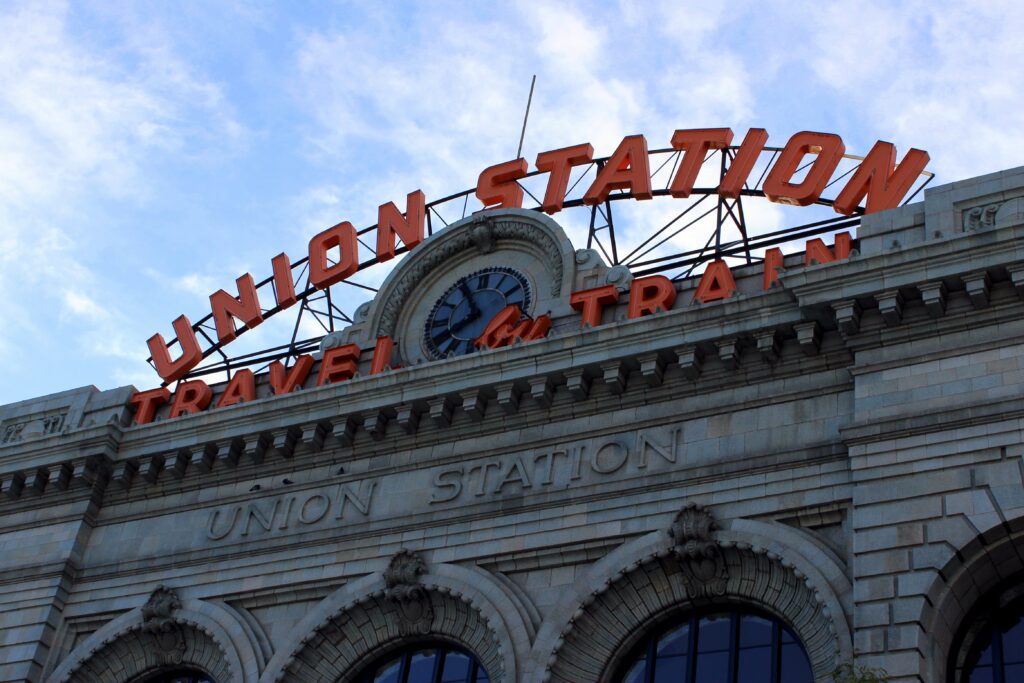
https://pixabay.com/photos/union-station-travel-by-train-2820165
U.S. rail travel can function as a mobile office. It offers a productive, lower-impact alternative to flying, with a few environmental considerations. That shift is why many digital nomads now prefer train platforms over airport terminals. The Amtrak Airo, scheduled to begin service in 2026, is built for work on the move. It features 5G Wi-Fi, individual power outlets, and larger tray tables designed for better ergonomics.
Rail travel also helps preserve the landscapes nomads love to document. It requires less energy and infrastructure than highways and produces fewer emissions per passenger mile than air travel. Choosing trains is a direct way to reduce your carbon footprint while traveling through fragile ecosystems.
There is also a unique perk of witnessing the dark sky. Trains contribute less pollution than highways or airports. On overnight routes, this offers an incredible stargazing experience from your window. It is a peaceful way to end a productive workday.
Iconic Routes for Digital Nomads
Becoming a digital nomad by train in the U.S. is an increasingly viable lifestyle. While the U.S. rail system is less dense than Europe’s, major corridors now offer reliable Wi-Fi and work-friendly amenities. Routes range from high-speed commuter lines to slower, scenic journeys.
The Silicon Valley Pioneer (Caltrain)
Caltrain launched a full-route trackside gigabit connectivity network between San Francisco and San Jose in 2024. This project used Nomad Digital’s cutting-edge connectivity solutions. It features 60Ghz trackside radio and Wi-Fi 6 technology. This ensures stable, broadband-quality internet for the entire 51-mile trip. The newly electrified line also reduces diesel emissions significantly.
The Northeast Corridor
This is Amtrak’s busiest route, connecting Boston, New York City, and Washington, D.C. The high-speed Acela service offers conference tables and the most reliable AmtrakConnect Wi-Fi. For late-night or early-morning travel (7 PM – 7 AM), Amtrak offers flat-rate “Night Owl” tickets as low as $15–$25 on select segments like NYC to Philadelphia or D.C.
The California Zephyr
The California Zephyr is one of North America’s most scenic rail journeys. The 52-hour trip spans seven states over three days: Illinois, Iowa, Nebraska, Colorado, Utah, Nevada, and California. The route is celebrated for its diverse landscapes, including:
- The Rocky Mountains
- Colorado River Canyons
- Utah Deserts
- Sierra Nevada
The Empire Builder
The Empire Builder connects Chicago to the Pacific Northwest in about 45 hours, spanning three days and two nights. The route is famous for passing through eight states and several iconic American landscapes:
- Glacier National Park:
- Mississippi River
- The Rockies & Cascades
- Great Plains
The Southwest Chief
This historic route connects Chicago to Los Angeles in about 43 hours, following parts of the Santa Fe Trail and Route 66. The journey passes through Illinois, Iowa, Missouri, Kansas, Colorado, New Mexico, Arizona, and California. The western half of the journey is widely considered the most picturesque, with scenic highlights such as:
- Raton Pass
- Apache Canyon
- Painted Desert, the red cliffs of Sedona, and the Mojave Desert
- The Mississippi River
The Sunset Limited
The Sunset Limited is Amtrak’s southernmost long-distance route, linking New Orleans and Los Angeles. It holds the distinction of being the nation’s oldest continuously operating named train, launched in 1894. The 45-hour journey is famous for its extreme geographical diversity, transitioning from wetlands to high deserts, covering:
- Louisiana Bayous
- Texas Deserts & Mountains
- Pecos River High Bridge
- Mexican Border
The Coast Starlight
The Coast Starlight runs 1,377 miles between Los Angeles and Seattle in about 35 hours. The route covers California, Oregon, and Washington, featuring:
- Pacific Coastline
- Cascade Range
- Mount Shasta
- Deep evergreen forests in Oregon and Washington
Environmental Stressors in Diesel-Powered Corridors
Beyond comfort and connectivity, long-distance rail travel also exposes passengers to environmental factors that often go unnoticed. A 2025 post by the American Lung Association notes that much of the U.S. rail fleet dates back to the 1970s and still relies on diesel systems. Trace byproducts can linger in cabins or in the air, especially on older routes or during extended journeys.
Passenger exposure is far lower than what rail workers historically faced. However, decades of occupational exposure have led to serious health concerns. Firms like Gianaris Trial Lawyers analyze how these specific chemical exposures affected railroad workers and what those findings mean for long-term health. For digital nomads, this history highlights why even low-level, repeated exposure during long journeys is worth understanding.
Common Pollutants in Train Environments
For digital nomads, understanding these rail toxins and historical residues is essential for long-term respiratory and neurological wellness. Exposure on trains comes from two primary sources: the locomotive’s engine and the wear of mechanical components.
- Diesel Particulate Matter (DPM)
- Nitrogen Oxides (NOx)
- Heavy Metal and Silica Dust
- Volatile Organic Compounds (VOCs)
Understanding these risks is less about alarm and more about awareness. Simple steps like choosing well-ventilated cars and limiting time near engines can reduce exposure. For those looking deeper into the long-term impact of rail-related toxins, resources around a railroad lawsuit for colon cancer also shed light on the broader health implications tied to prolonged exposure, reinforcing the value of informed, healthier travel habits.
Essential Logistics for the Rail-Bound Digital Nomad
For a multi-day journey on the railway tracks, success depends on preparation. Unlike air travel, you have more space but less connectivity, so your strategy should focus on self-sufficiency.
The USA Rail Pass
The USA Rail Pass is a flat $499 ticket that allows you to travel to over 500 destinations using 10 segments over 30 days. It is designed for travelers who want to hop on and off trains to explore multiple cities rather than taking a single point-to-point trip. Amtrak frequently runs sales (such as the “Adventure Awaits Sale” in January 2026), reducing the price to as low as $250.
The Amtrak App
The Amtrak App is the primary tool for managing rail travel in the U.S., significantly updated in 2025 to improve navigation and real-time tracking. It is available on both iOS and Android. You can use it for e-ticketing and real-time tracking. It also helps you manage pet or bike reservations. Amtrak allows small pets up to 20 pounds on many routes.
Connectivity Game Plan
Always carry a personal mobile hotspot. AmtrakConnect relies on local cellular towers. Most long-distance routes (Zephyr, Empire Builder, Southwest Chief) have no onboard WiFi and cross through dead zones in the Rockies and deserts. Download high-bandwidth files before the train enters these dead zones.
Schedule your deep-work (writing, coding, video editing) for the wilderness stretches. Save your emails, Slack syncing, and uploads for the “Service Stops” where the train sits at a station for 30+ minutes.
Security for Solos
If you’re traveling solo, don’t leave your laptop on the table when you go to the restroom or Cafe Car. Use a lock to secure your bag to the seat frame, or simply pack your tech into a backpack and take it with you. If you do manage to hop on station or onboard WiFi, always use a VPN. Public rail networks are prime targets for basic packet sniffing.
Workspace Comfort
Private Roomettes and Bedrooms are great for video calls. They include dedicated power outlets and complimentary meals. If you sit in Coach, you still get 23-inch wide seats. This is much larger than standard airline seating.
Conclusion
The U.S. rail system is a rare blend of legacy infrastructure and modern mobility. For digital nomads, it offers more than just a way to get from one city to another. It creates a moving workspace that balances productivity, sustainability, and perspective.
Traveling by train means working through mountains, deserts, and coastlines instead of airport terminals. Travelers are making more conscious choices about how they move. At the same time, understanding the history behind this network adds depth to the experience, turning routine travel into something more informed and intentional.
As rail technology continues to evolve, the opportunity is clear: work smarter, travel slower, and stay aware. The tracks are no longer just a route; they’re part of the workflow.